
For a brief, electric moment this year, Nevada seemed on the verge of rewriting its economic destiny. The governor’s proposed film tax credit package—an ambitious bid to turn Las Vegas into the country’s next major production hub—wasn’t just another policy initiative. It was a vision. A promise. A chance to transform the Strip from a backdrop into a full-fledged industry engine.
But dreams, like film deals, can be fragile. When the measure failed to pass in the recent special election, the energy surrounding the idea evaporated almost overnight. The balloon deflated, the headlines softened, and the loudest question echoing across the valley wasn’t “What happened?” but rather “What could have been?”
THE DEAL THAT DIDN’T GET MADE
Supporters had expected momentum. The state had courted Hollywood before, but never at this scale or with this level of political capital behind it. The proposed credits were generous, strategic, and—critics would argue—too costly. Despite the governor’s push, despite promises of jobs, infrastructure, and a new economic pillar untied to gaming, the votes simply weren’t there.
Some blamed the price tag; others blamed distrust of the industry. Still others pointed to Nevada’s cautious electorate, wary of deals that feel too good to be true.
What’s clear is this: had the credits passed, Nevada stood to bring in major production studios, sound stages, training facilities, and a long-term pipeline of film jobs not seen since New Mexico reinvented itself with similar incentives twenty years ago.
Instead, the dream is paused. Not dead—just suspended in that uniquely Nevadan space between risk and reward.
A CITY BUILT FOR CINEMA
Las Vegas has always flirted with Hollywood. It has served as a set, a character, a mythology all its own. The Strip’s neon blaze has framed heists, romances, comedies, and tragedies. Yet for all the filming that’s happened here, Las Vegas has never been a film capital in the true sense.
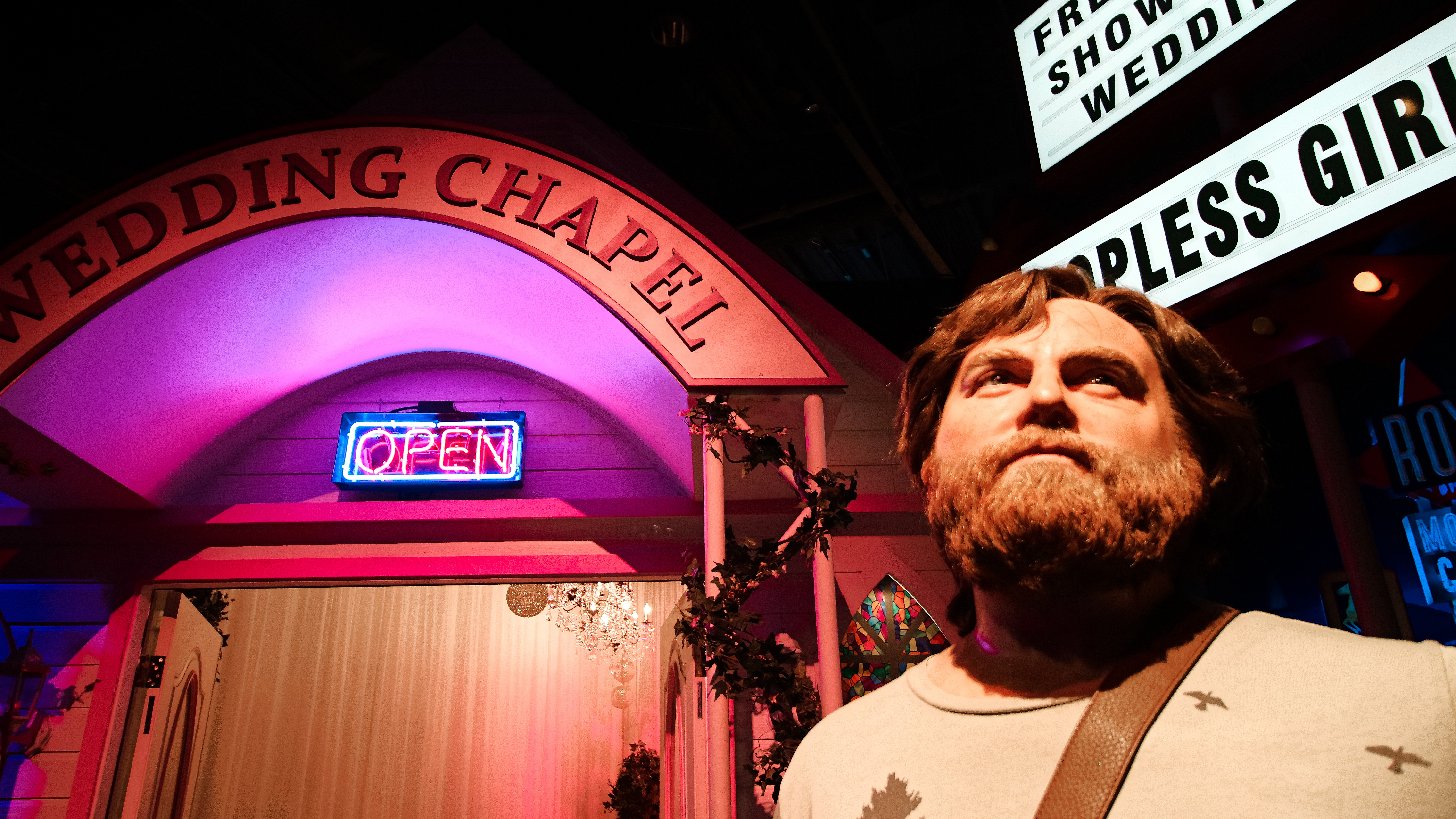 What the tax credits promised was permanence:
Studios that wouldn’t just visit but stay.
Jobs that wouldn’t just cycle but endure.
Cultural currency that wouldn’t just rely on spectacle but expand into storytelling.
It’s impossible not to imagine what the next decade of Nevada cinema might have looked like—especially when, 30 years ago, a single movie captured Las Vegas with unmatched power and left a cultural imprint that still shapes the city today.
THIRTY YEARS OF CASINO: THE FILM THAT GOT LAS VEGAS RIGHT
There are many films set in Las Vegas, but only one stands as its definitive cinematic masterpiece: Martin Scorsese’s Casino.
Released in 1995 and celebrating its 30th anniversary in 2025, Casino is more than a movie—it is an autopsy of old Vegas, a love letter to its glittering illusions, and a chronicle of the city’s transformation from mob mystique to corporate colossus. Unlike most Hollywood portrayals, Casino didn’t rely on clichés; it relied on the truth. The grit. The glamour. The people.
It captured the tension between the Las Vegas that was and the Las Vegas that was coming. In that sense, Casino feels eerily relevant today, as Nevada considers the kind of future it wants to build—or the kind it keeps letting slip away.
And at the heart of that film’s enduring legacy is one woman whose real life and cinematic counterpart remain inseparable from the mythology of the city.
GERI MCGEE: THE TRAGIC MUSE OF LAS VEGAS
Geri McGee’s story—raw, magnetic, and ultimately tragic—has haunted the Las Vegas imagination for half a century. Immortalized through Sharon Stone’s Oscar-nominated performance as Ginger McKenna, Geri represents the paradox of this city: dazzling on the surface, dangerous beneath it, seductive all the way down.
Her rise and fall unfolded within the same currents that make Las Vegas so cinematically potent: ambition, reinvention, excess, betrayal. If Casino is the greatest movie ever made about Las Vegas, it is because of characters like Geri—real people whose lives mirrored the volatility of the city itself.
Including a separate feature on Geri McGee in this issue gives readers the deeper, more intimate portrait behind the film’s mythology. And taken together—her real story and the enduring legend of Casino—they highlight why Las Vegas has always deserved to be more than just the setting for Hollywood’s stories. It has lived them.
THE FUTURE THAT STILL COULD BE
As Nevada turns the page on the failed tax credit vote, the question isn’t whether we lost our shot at becoming a film hub. The question is whether we recognize the value of the stories we already possess—and whether we’re willing to invest in the ones we could create.
Las Vegas has always been a place where fortunes shift overnight. Deals fall apart. Dreams are deferred. But this city also knows resurrection better than anywhere on earth.
The vote didn’t kill the idea.
It only ensured that the sequel isn’t coming out yet.
And as we celebrate Casino’s 30th anniversary, remembering how one film captured Las Vegas with such brutal beauty, it’s impossible not to imagine the movies Nevada might still make—if it decides, next time, to bet on itself.
Leave a Comment