
For decades, the Las Vegas buffet has stood as a symbol of abundance. Endless rows of carving stations, seafood displays, and dessert counters were as much a part of the city’s identity as gaming and entertainment. Buffets functioned not only as dining options but also as loss leaders—designed to draw in visitors who would spend elsewhere on the property. Here are some of the recent changes from buffets to food halls among the top casinos in Las Vegas:
Luxor’s The Buffet
Operated by MGM Resorts, this budget-friendly buffet on the Strip closed permanently on March 30, 2025.
Rio / Carnival World Buffet
The large, off-Strip Rio property closed its Carnival World Buffet and is converting that space into The Canteen Food Hall.
Fremont Hotel & Casino
Boyd Gaming converted its former buffet space into a 13,000-sq-ft food hall with several vendor brands.
Additionally, two newer properties, Durango Casino (Southwest Las Vegas) and Fontainebleau Las Vegas, were built without traditional buffet spaces and instead feature food halls.
To understand whether this is uniquely a Las Vegas phenomenon, it is important to consider non-Las Vegas casinos in Southern California, Atlantic City and Michigan have also have permanently closed buffets and replaced them with other dining concepts.
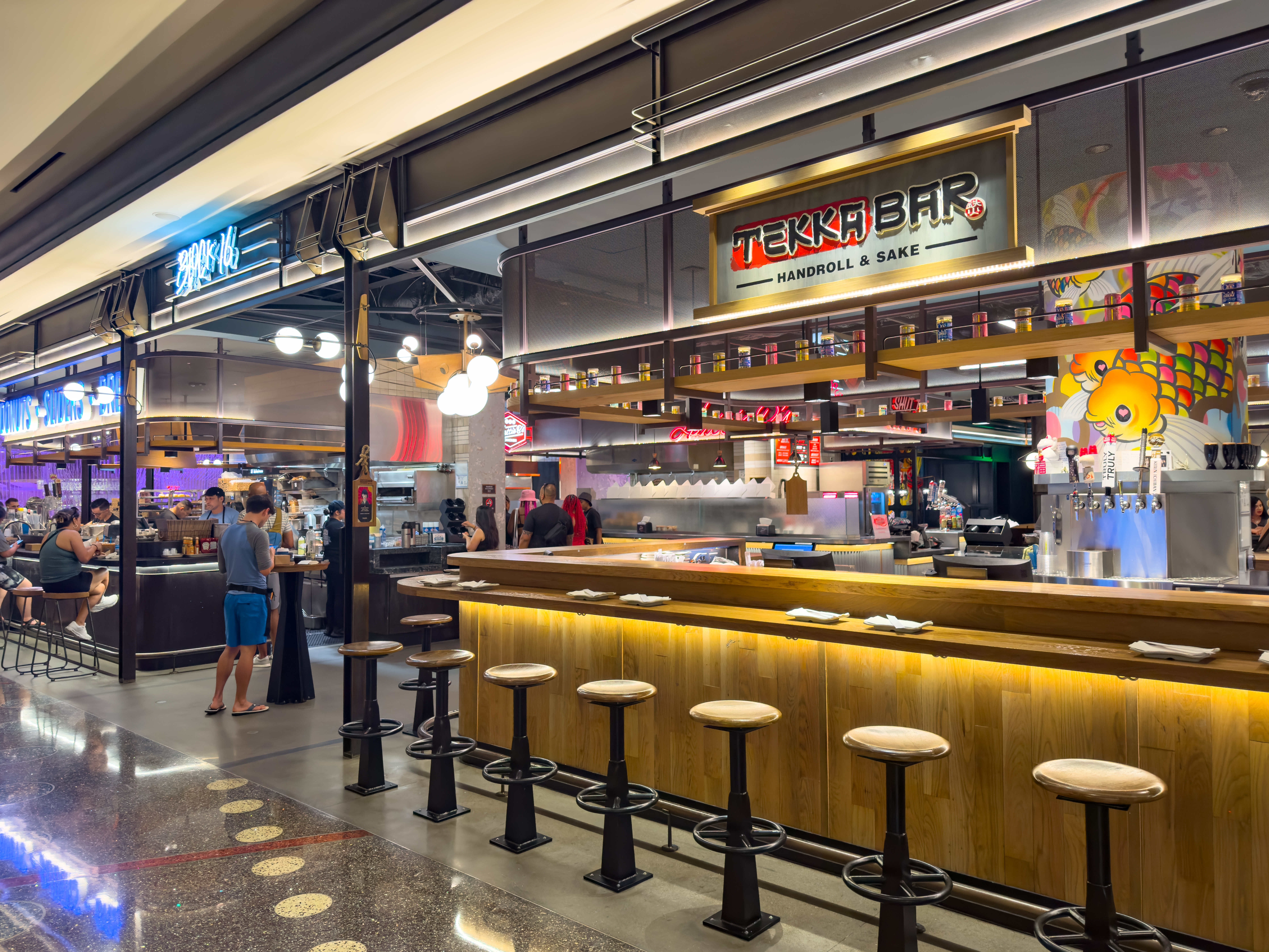
As consumer tastes evolve and operating costs rise, many iconic buffets are shuttering, replaced by contemporary food halls that emphasize diversity, flexibility, and vendor-driven models. From big name fast food brands to Michelin star chefs led restaurants, food halls offer a variety of dining choices. Take for example, Proper Eats at the Aria. As the fourth food hall on the Strip, it joins the likes of Famous Food Street Eats food hall at Resorts World Las Vegas, the Block 16 Urban food hall at the Cosmopolitan of Las Vegas, and Eataly at Park MGM. From vegan to burgers and Asian to Italian, the choices of cuisine fit almost every taste and budget.
This transition is reshaping the business and legal landscape of hospitality in Nevada and beyond. Attorneys advising clients in hospitality, real estate, or labor law—as well as business leaders managing these properties—must understand the far-reaching implications of this shift.
Lease Renegotiations: From Anchors to Shared Spaces
The buffet once served as an “anchor tenant” within casinos, occupying significant square footage under long-term lease or operating agreements. Food halls, by contrast, are dynamic, multi-vendor spaces where each stall may function as a micro-restaurant. And they are profitable. Buffets, once used to attract gamblers, have become costly to maintain, with average food costs around 40% of sales and labor at 30%, leaving slim margins near 20%. Food halls, by contrast, operate more efficiently with vendor-run stalls, made-to-order dishes, and reduced waste. This model typically lowers food costs to 28–32%, trims labor to 22–26%, and pushes margins up to 35–40%, resulting in an estimated 30–50% profit increase over buffets.
A conservative analysis of a large Las Vegas buffet serving 1,200 guests daily shows profits rising from $9,600 to $13,320 per day, or roughly $1.3 million more per year after conversion. Beyond stronger financial performance, food halls appeal to modern visitors seeking variety, speed, and quality while allowing casinos to partner with local chefs and trending brands. With higher revenue per square foot, lower waste, and faster payback periods — typically two to four years — food halls have become one of the most lucrative hospitality upgrades on the Strip.
Las Vegas casinos are increasingly replacing traditional buffets with modern food halls — and the shift is paying off, on and off the strip. Detailed provisions must be drafted to protect the operator’s ability to verify revenues without overstepping vendor confidentiality. Transforming a buffet space into a food hall often requires significant capital improvements—reconfiguring kitchens, adding partitions, and modernizing HVAC systems to handle multiple cooking operations. Contracts must clarify who bears responsibility for these improvements, how costs are recouped, and what maintenance obligations apply once the space is operational.
This structural change requires rethinking lease frameworks. Landlords and casino operators must decide whether individual vendors are granted formal subleases, simple licensing agreements, or hybrid structures. Each choice carries consequences for liability allocation, insurance requirements, and termination rights.
Vendor Contracts and Operational Control
The food hall model introduces an intricate web of vendor relationships. While variety enhances consumer appeal, it complicates operational oversight. Contracts must anticipate disputes and allocate risks with precision to address:
Performance Standards and Termination Rights
Food halls host a mix of independent operators, each with its own brand identity. To preserve a consistent guest experience, agreements often include performance standards.
Indemnity and Liability Allocation
Food safety, employee misconduct, and property damage are amplified risks when multiple vendors share a single venue. Clear indemnity clauses are critical to allocate responsibility.
Dispute Resolution Mechanisms
With numerous independent businesses operating under one roof, disputes are inevitable. Agreements should establish efficient dispute resolution frameworks, whether through arbitration, mediation, or tiered negotiation procedures.
Challenges in Zoning, Licensing, and Regulatory Compliance
While buffets were typically managed by a single operator with uniform compliance obligations, food halls create a patchwork of overlapping requirements from zoning and conditional use permits, health departments and alcohol licensing. Some jurisdictions classify food halls differently than restaurants or buffets. Operators may need to amend existing conditional use permits or seek new approvals. These proceedings can trigger public hearings, neighbor objections, and lengthy approval processes. Attorneys will need to proactively review zoning ordinances to identify potential obstacles early.
Each vendor may also need its own permits, inspections, and certifications. This multiplies the regulatory touchpoints for the venue. Operators must ensure consistency by setting compliance benchmarks higher than the minimum standard and by coordinating with health departments on inspection schedules.
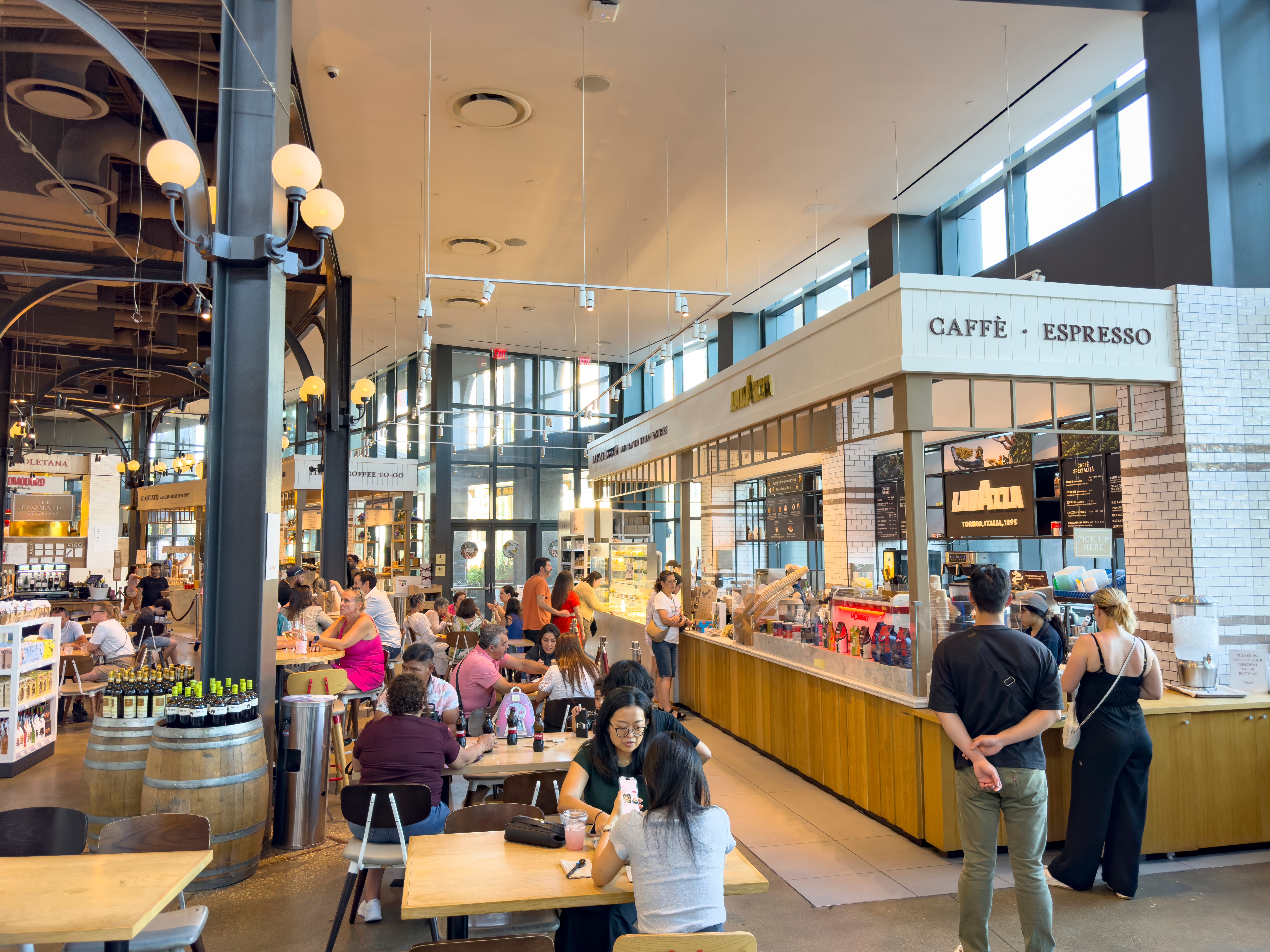 Additionally, alcohol sales add another layer of complexity. Will vendors sell directly, or will a centralized operator manage bar service? Each option has licensing implications. If multiple vendors are licensed, regulators may impose restrictions on where and how alcohol can be served, complicating the customer experience. If alcohol is centrally managed, the operator assumes responsibility for training, compliance, and liability.
Labor and Employment Models
Perhaps the most significant shift lies in workforce structure. Buffets employed large, centralized teams under a single employer. Food halls fragment that model into multiple small workforces, each with distinct employment practices. Here are some labor considerations for operators which will require strategic legal consultation:
Fragmented Workforce and Disparities
Individual vendors employ their own staff, leading to variation in wages, benefits, and scheduling practices—raising morale issues and, in some cases, regulatory scrutiny.
Joint Employer Concerns
If food hall operators impose uniform policies risk being classified as joint employers. This exposes them to liability under wage-and-hour laws, collective bargaining obligations, and employment claims.
Union Considerations
Buffets often operated in heavily unionized environments. Food halls disrupt this model. Some vendors may be unionized while others are not, leading to inconsistencies that complicate labor relations. Operators should anticipate potential union campaigns and prepare strategies for consistent compliance.
Labor Flexibility and Cost Efficiency
Food halls are attractive partly because they reduce headcount compared to buffets. However, employers must still navigate wage-and-hour requirements, meal and rest break laws, and new legislation around gig or contract workers.
The Strategic Outlook for Business Leaders
The decline of the Las Vegas buffet and the rise of the food hall reflect broader economic and cultural shifts. Consumers today value variety, speed, and authenticity over uniformity. Food halls meet these demands by showcasing multiple culinary voices in one space. Yet this innovation comes with legal and operational complexity. For attorneys, the task is to help clients design frameworks that expect challenges:
Flexible lease structures that adapt to vendor turnover.
Vendor agreements that balance operational consistency with brand autonomy.
Regulatory strategies that account for overlapping health, zoning, and licensing requirements.
Employment models that achieve efficiency without exposing operators to joint employer liability.
For business leaders, the strategic challenge lies in balancing short-term efficiencies with long-term resilience. Food halls may generate strong customer engagement and financial performance, but only if supported by robust governance, legal foresight, and careful vendor curation.
Conclusion: Legal Foresight as a Competitive Edge
The transition from buffet to food hall is not simply a culinary evolution—it is a reimagining of the business, legal, and labor infrastructure of hospitality. Rather than the vast, round-the-clock operations of the past, casinos may revive buffets selectively reimagined as premium, reservation-only events or seasonal attractions tied to specific entertainment offerings.
Casino operators elsewhere—especially in regional markets—will follow suit. Regulatory frameworks will adapt. Health departments, zoning boards, labor regulators will increasingly see requests to reclassify food halls, with likely new regulations specific to multi-vendor shared kitchens in casino resort contexts including defining joint employer exposure and shared ventilation.
In Las Vegas and beyond, this shift highlights the importance of legal strategy as a competitive advantage. Operators who treat these issues as afterthoughts risk regulatory penalties, litigation, and reputational harm. Those who approach them with foresight, however, can transform food halls into not only profitable ventures but also enduring destination
Leave a Comment